
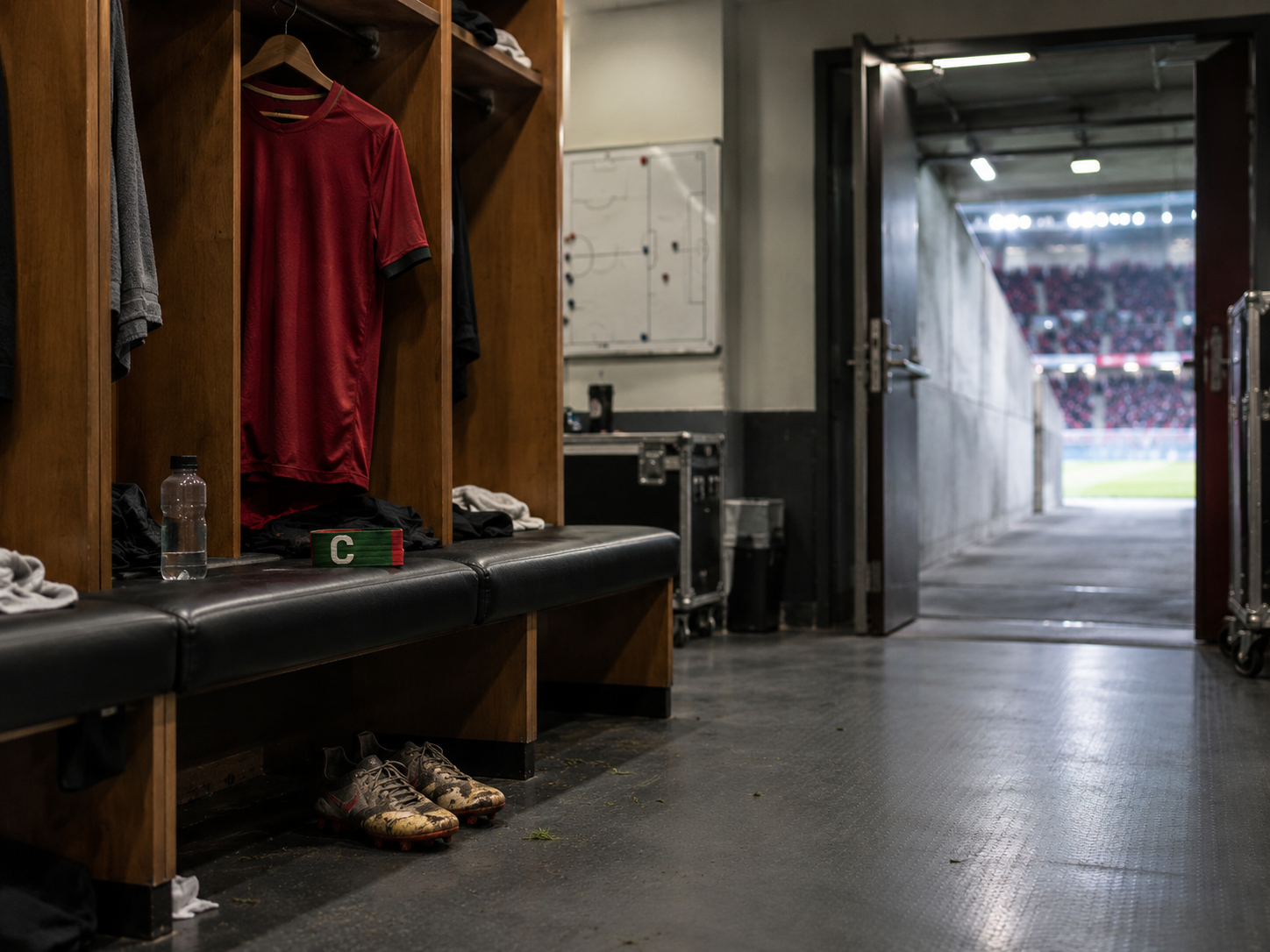
The situation began to attract attention against Norway. Ronaldo spent the entire match on the bench despite warming up during Portugal’s victory, an unusual sight for a player who has been at the centre of the national team for more than two decades.
Questions continued in the days that followed. Ronaldo spent time away from full team training, while Jesus repeatedly insisted there had been no major fallout with his captain.
The coach did, however, acknowledge that asking Ronaldo to warm up against Norway without eventually bringing him on had created frustration.
Ronaldo's departure changes the story
The situation escalated ahead of the Denmark fixture.
Jesus said Ronaldo would again not be in the starting line-up and publicly rejected suggestions that the forward had refused to train.
Hours later, Ronaldo left the Portugal camp following a conversation with Portuguese Football Federation president Pedro Proença.
The 41-year-old confirmed his decision and indicated that he intends to explain the reasons behind it at a later stage.
Portugal will continue its international schedule without its captain, but the focus is now likely to remain on what his departure means beyond a single Nations League game.
A changing role for Portugal's captain
Ronaldo has been the defining figure of Portugal’s national team for a generation, but his place within the side is entering unfamiliar territory.
At 41, managing his playing time has become an increasingly significant part of the job for Portugal's coaching staff. At the same time, forwards such as Gonçalo Ramos offer Jesus alternative options at the centre of the attack.
That creates a situation Portugal rarely had to consider during Ronaldo’s peak years: major international fixtures in which their record-breaking captain may no longer automatically start.
Has Ronaldo played his final game for Portugal?
There is no confirmation of that.
Ronaldo has not announced his retirement from international football, meaning his departure from Copenhagen should not automatically be interpreted as the end of his Portugal career.
But the circumstances surrounding his exit — and his promise to explain his reasons later — ensure that questions over his international future will remain long after the Denmark match is over.